PC CONCRETE & DESIGN
Concrete Contractor Serving Cleburne, TX
What to Look For in a Cleburne Concrete Contractor
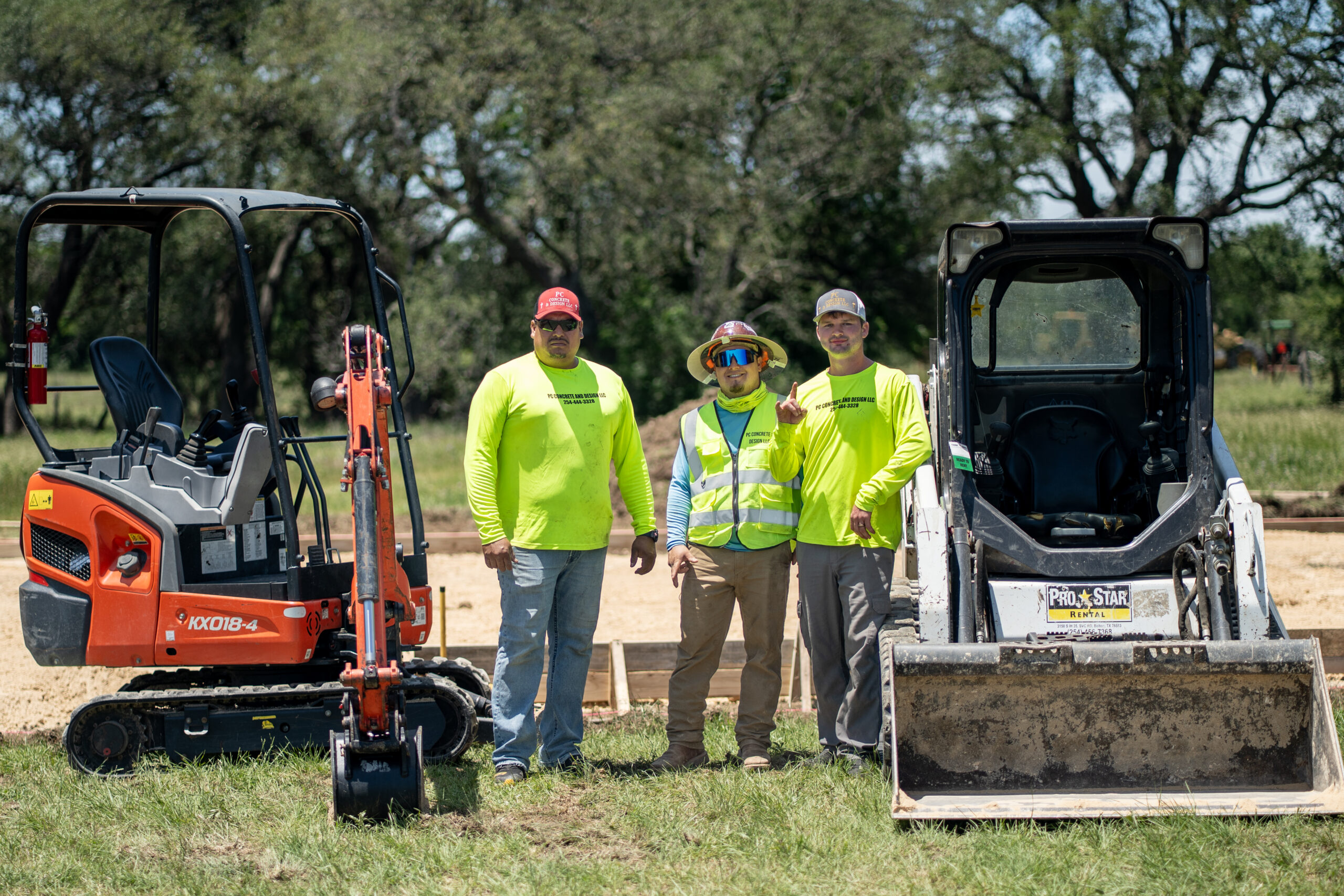
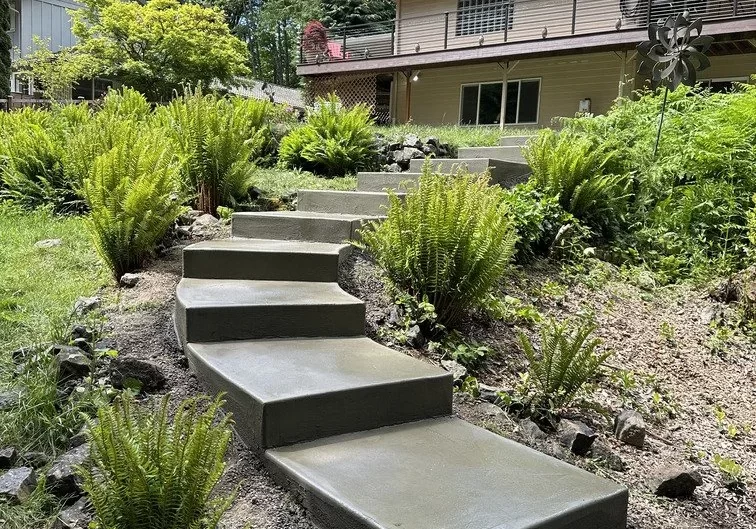
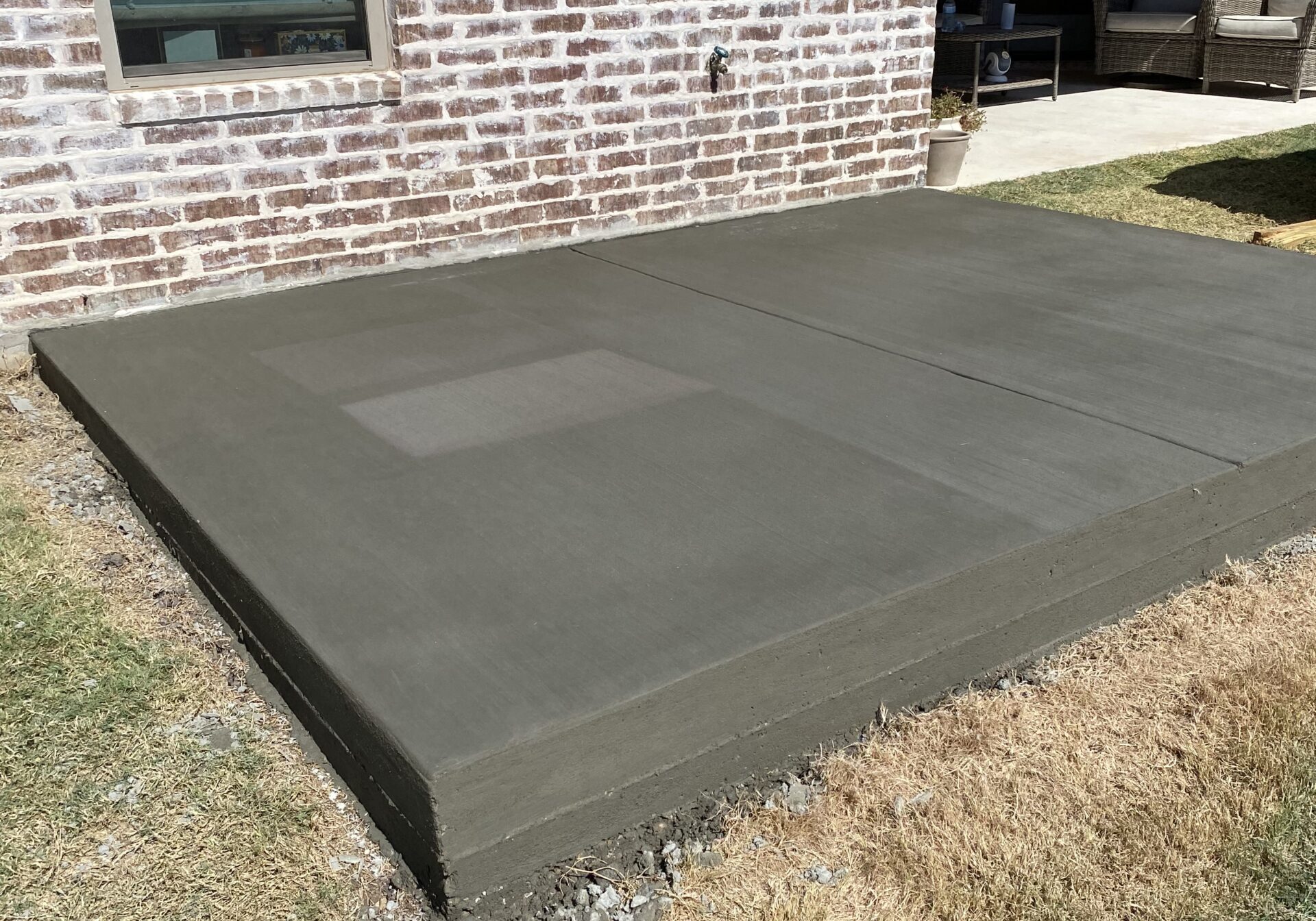
Need a Cleburne concrete contractor who shows up, sets the forms right and stays until the finish is done? Homeowners, business owners and landlords in the Johnson County seat call PC Concrete & Design for driveways, patios, slabs and steps. We're based in Granbury, serving Cleburne and Johnson County, and the owner is on site for every job. Some calls are for a single walkway or a cracked section of drive, while others cover a full barndominium pad or a new home's foundation. Either way, the job starts with the same groundwork: checking the soil, the slope of the lot and what the finished surface will need to carry. Lots around Cleburne range from established in-town yards to open land outside the city limits, and each comes with its own access and drainage quirks. We plan the forms, the steel and the joint layout around those details instead of using one approach for every job. That attention up front helps a driveway stay level and a patio keep draining the right way long after the crew has left. Tell us what you want to build, and we'll look at the site and give you a free estimate.
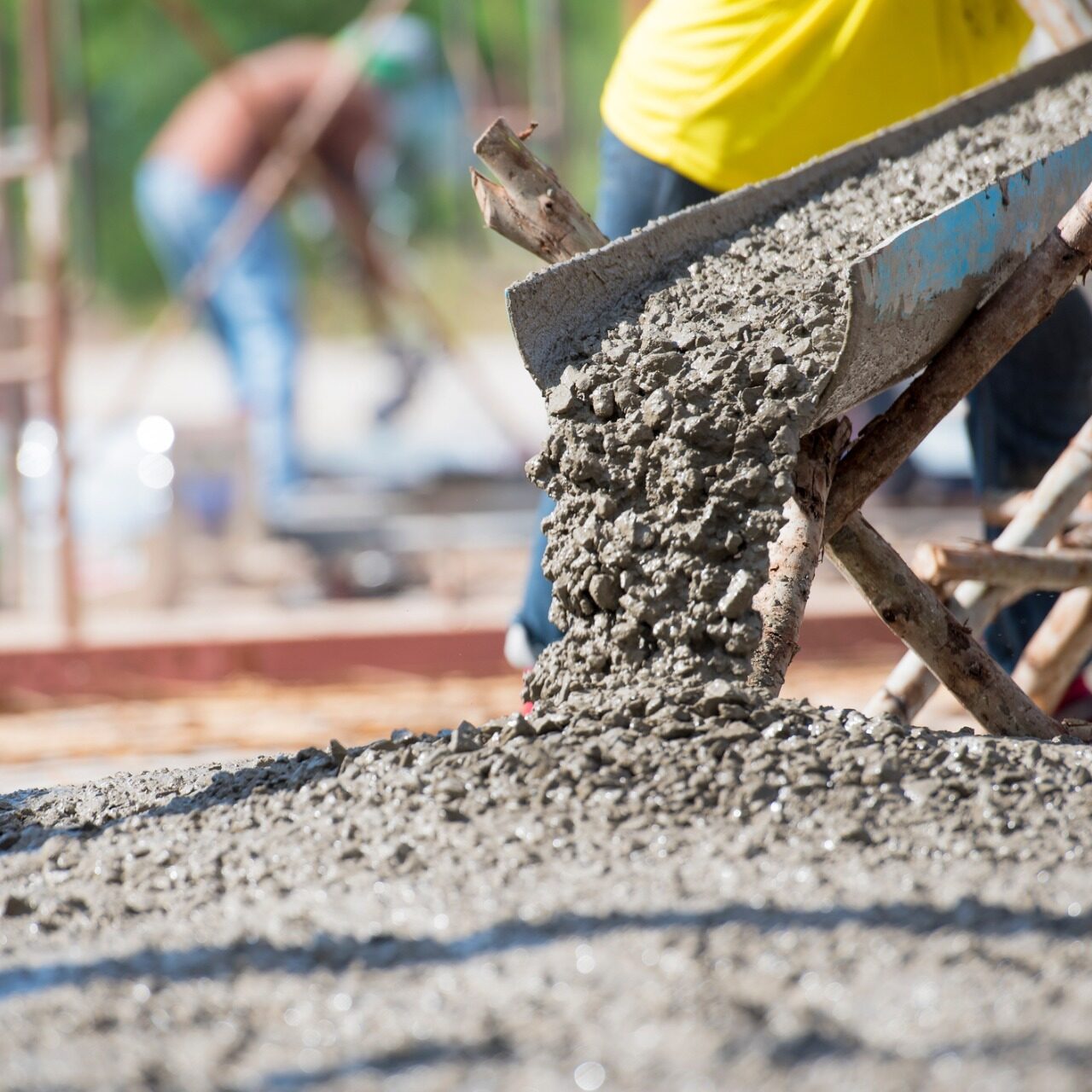
A good concrete contractor in Cleburne, TX should explain the base, the steel and the finish before quoting a price. Here's what we pour around town.
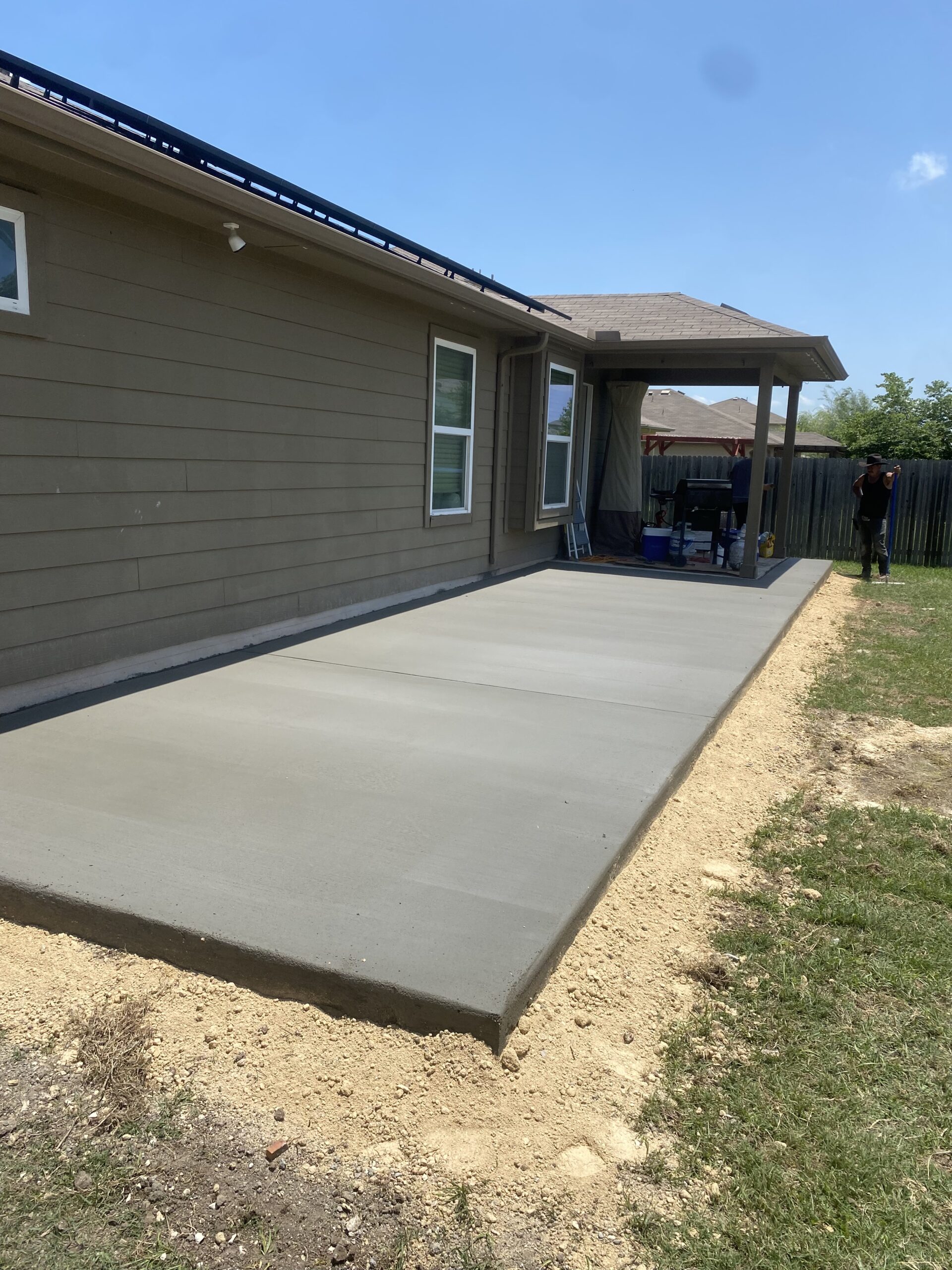
Before You Pour in Cleburne: Soil, Drainage and Steel
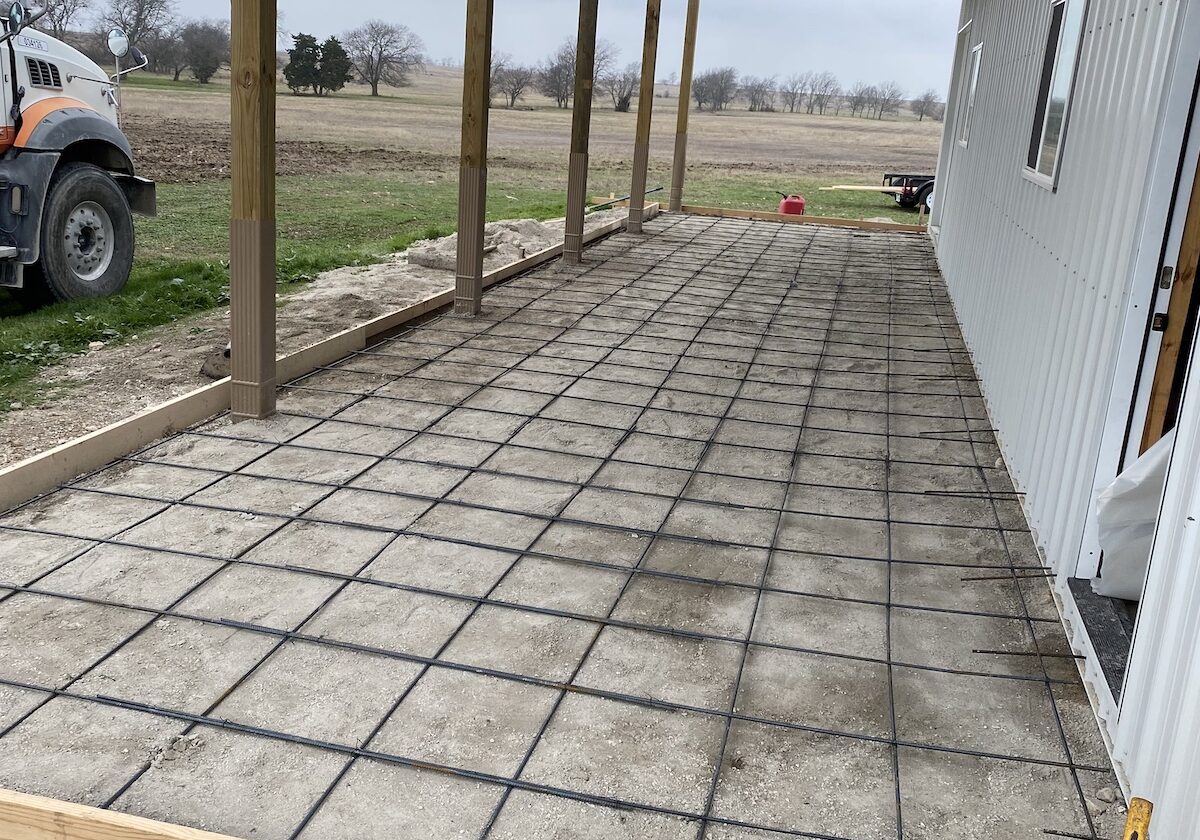
The ground under a slab matters as much as the slab itself. Much of the Cleburne area sits on clay that swells after a soaking rain and shrinks during a dry spell, and that movement can crack concrete laid on a thin or loose base. That's why soil comes first on our list, followed closely by drainage. We look at where water runs across the lot today, where it pools after a storm, and whether the new surface will push runoff toward the house or away from it. Grading fixes many of those problems before a single form goes in. Steel is the third piece. Rebar size and spacing depend on the weight the surface will carry, so a garden path and a driveway that sees a loaded trailer get very different grids. Thickness follows the same logic, starting around 4 inches for most patios and home drives and going deeper for heavier loads. Joint placement matters too, because a slab without planned cuts tends to crack wherever it likes. We'll also ask how soon you need to use the area and what time of year the work is planned. Hot, dry summer days and cold snaps both affect how the mix sets, so timing is part of the plan. Getting these choices right on paper is far cheaper than fixing them later.
How a Pour Comes Together
A Cleburne job starts with a conversation and a visit to the property. You show us where the patio will meet the porch, how cars will turn into the driveway or what a new slab needs to hold, and we take measurements and talk through shape, look and budget. From there, you'll get an estimate that lays out the work in plain terms.
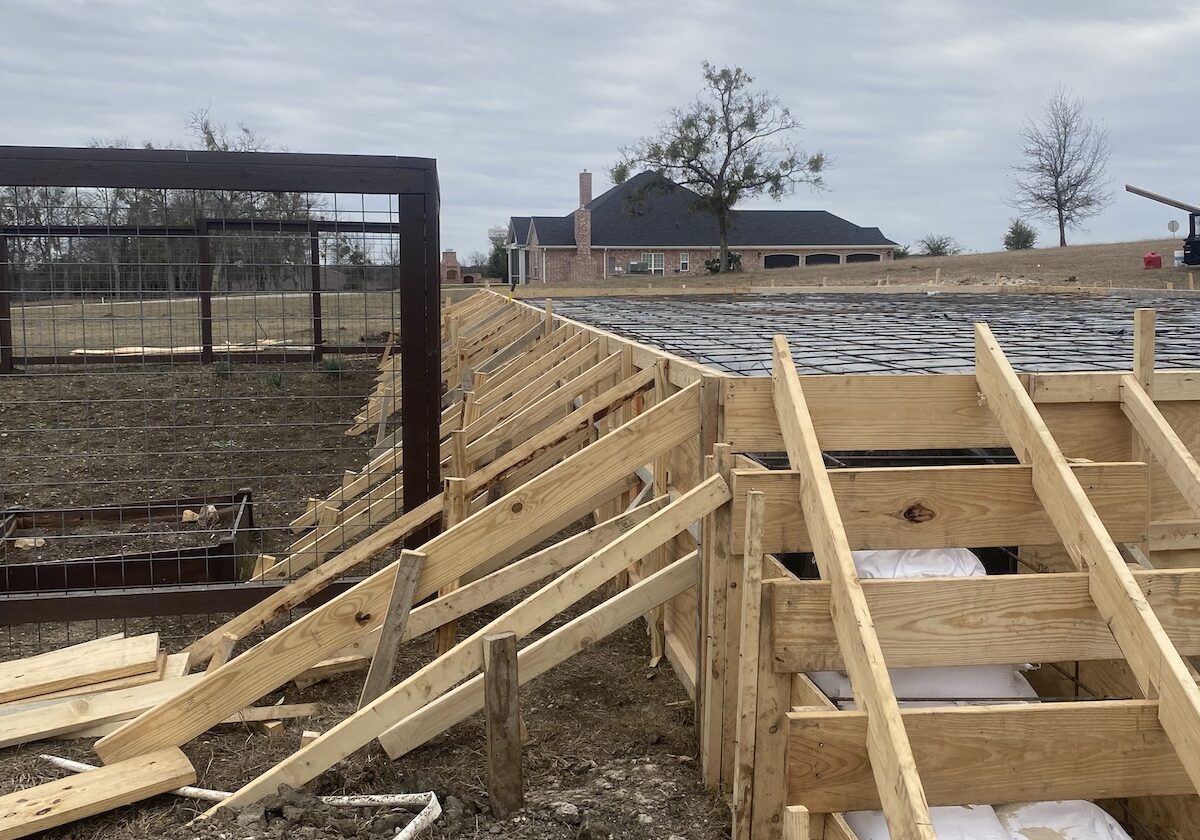
Once you're ready, prep begins. The crew clears the area and cuts or fills the ground to the grade the project calls for. Base preparation and compaction help provide firm support. Formwork sets the edges and height, with drainage considered as part of the layout. The crew then sets the rebar reinforcement on supports so its position follows the plan for that slab.
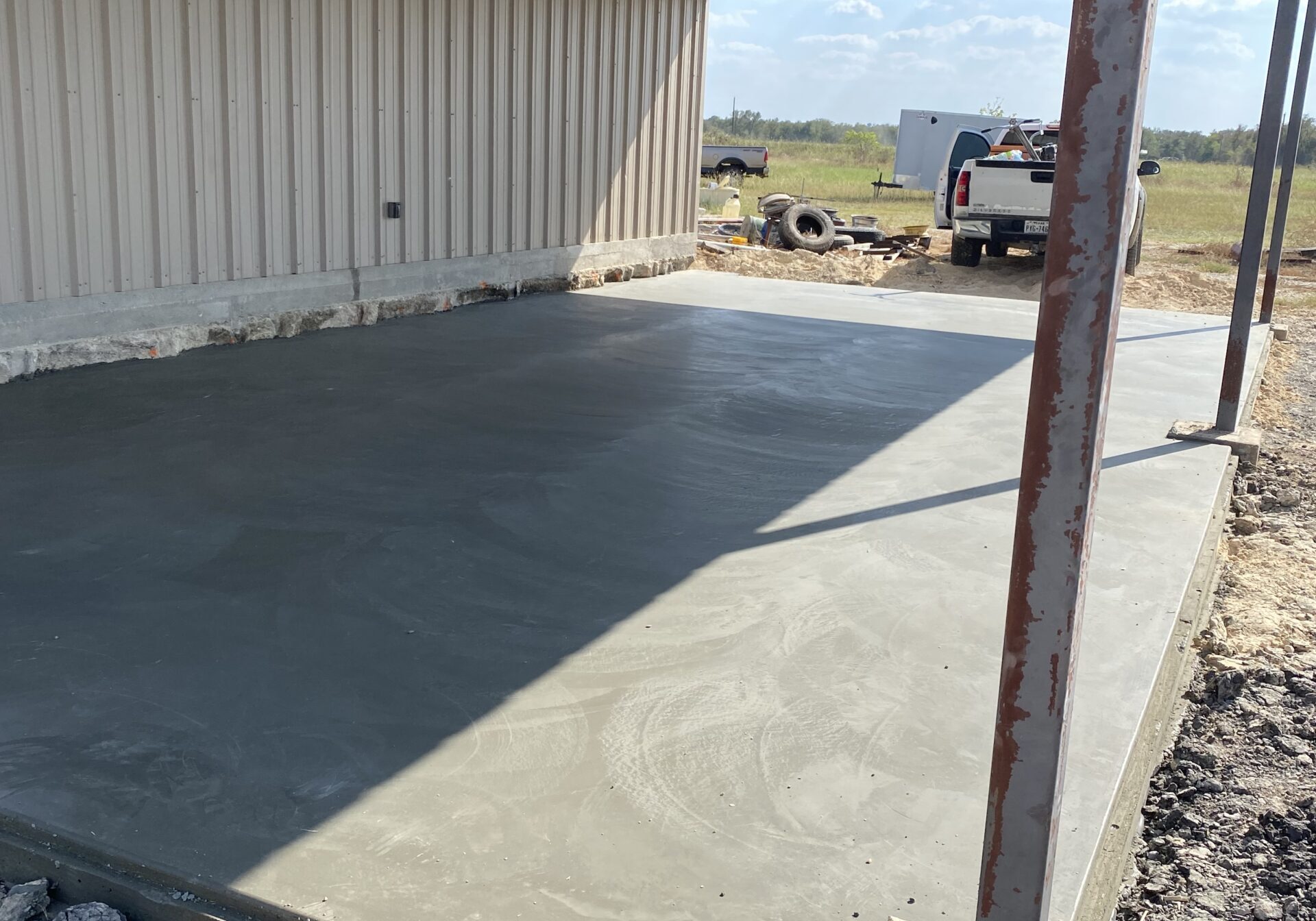
On pour day, the mix is placed, spread and leveled, then finished with the texture you picked. Joint placement is part of the plan, including cuts in the surface and separation from existing concrete where appropriate. On a driveway, that includes considering where the new concrete meets the garage floor or the street. After the pour, we'll explain how long to stay off the surface and when it can handle a vehicle. If anything changes along the way, the owner is on site to talk it through with you.
Cleburne Concrete FAQs
What affects the cost of a concrete driveway?
Size, thickness, reinforcement, site prep and finish matter most. Removing an old driveway adds work. We give a free estimate after seeing the site.
What finishes can I choose for a patio?
A broom finish is the most common and gives good traction. Stamped, colored and exposed aggregate finishes add texture and color. We'll talk through each option when we visit.
How long does a concrete slab take?
It depends on the size and the site prep. Most of the time goes into grading and forming. After the pour, the concrete needs time to cure before it carries heavy loads.
Do you pour slabs for barndominiums?
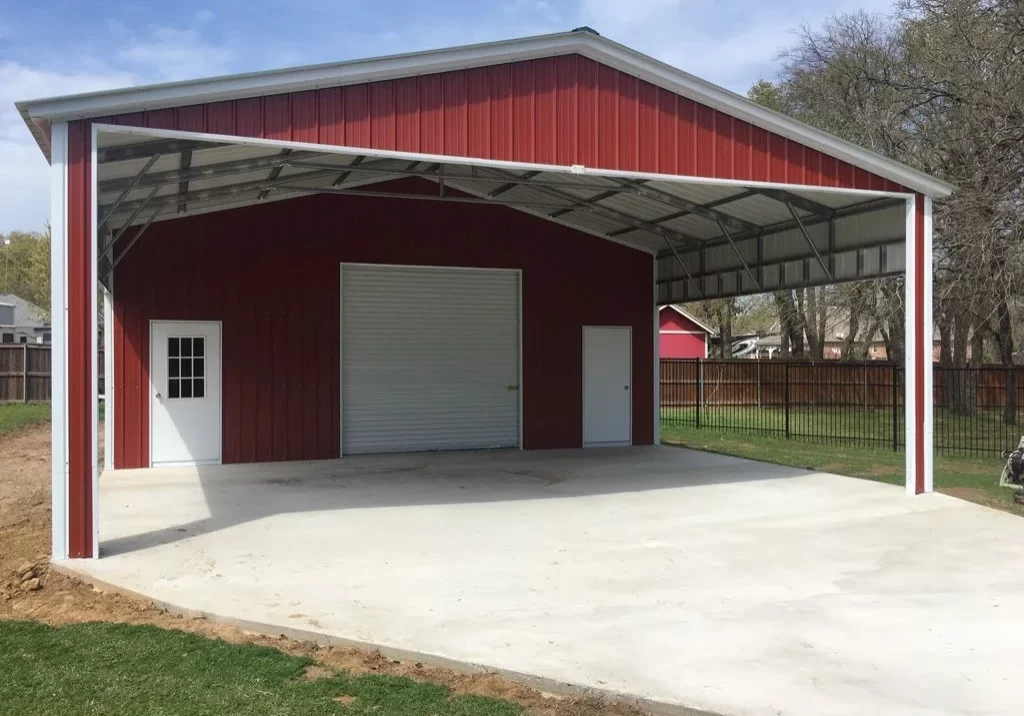
Yes. We pour slabs and foundations for barndominiums and metal buildings, with reinforcement sized for the building.
Get a Free Concrete Estimate in Cleburne
Call (254) 444-3328 and tell us about your project. We'll set a time to see the site and give you a free estimate.